Beauty Updates

Why Does Lip Colour Settle into Lip Lines? Causes and How to Fix It
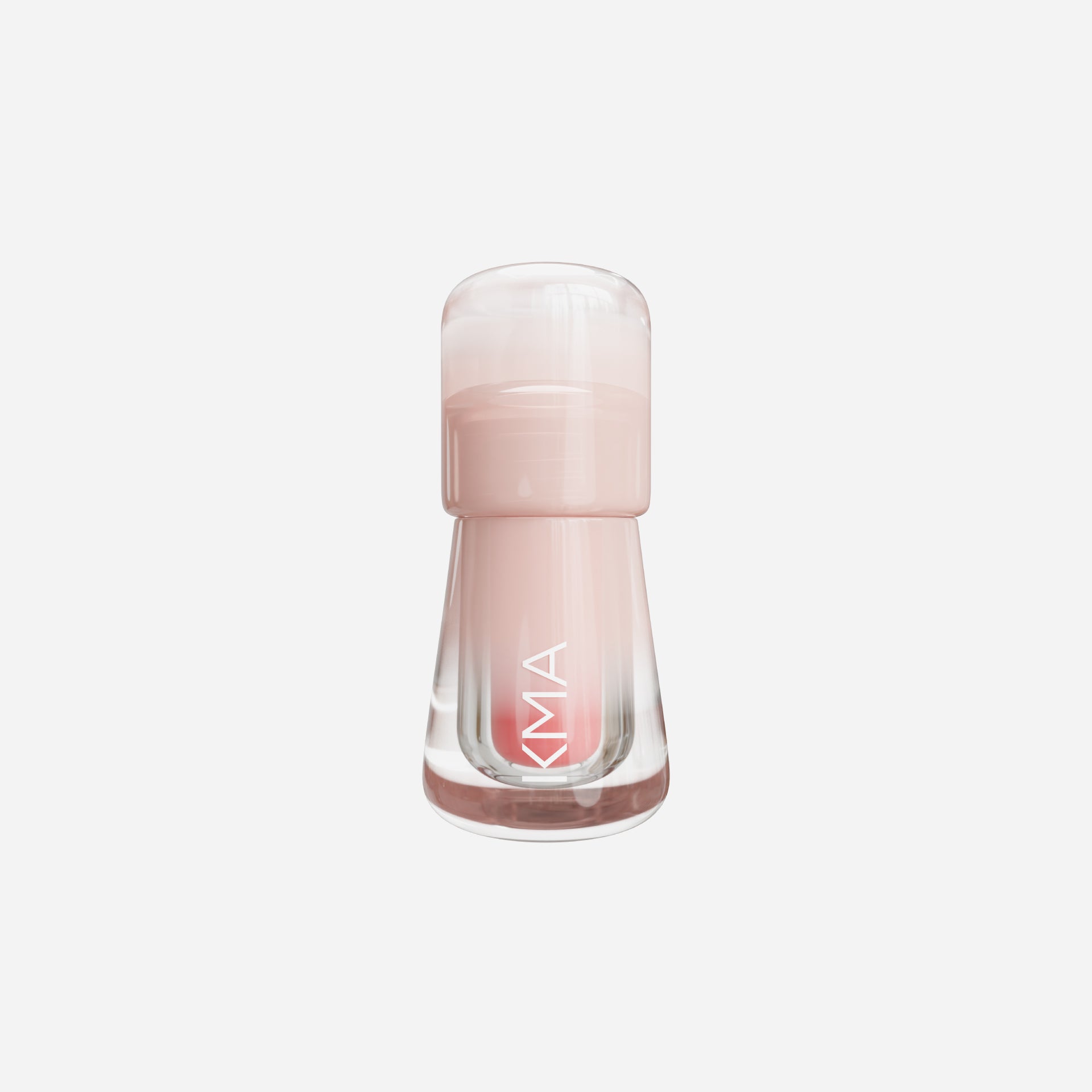
Have you ever applied lip colour that looked smooth and beautiful at first, only to notice it collecting in the lines of your lips shortly afterwards? This can make the lips look dry, uneven, and less polished than when the product was first applied. Lip colour settling into fine lines is a common concern, regardless of whether you use lipstick or lip tint—or how much the product costs. The cause is not always the lip product itself. It can also be related to the condition of your lips, your lip-care routine, and whether the formula suits your needs. This article explains why lip colour settles into lip lines and how to help your lips look smoother and more moisturised. What Does It Mean When Lip Colour Settles into Lip Lines? Lip colour settling into lip lines occurs when pigment collects in the natural lines of the lips. This can make the colour look uneven, create visible streaks, or make the lips appear drier than usual. The problem is often more noticeable when the lips lack moisture or when the product formula does not suit their condition. 1. The Lips Lack Moisture This is one of the most common causes. When the lips lose moisture, the surface may become dry and rough, making fine lines more visible. Lip colour can then collect in these lines, causing an uneven finish. 2. Not Drinking Enough Water Insufficient water intake may affect the moisture level of the skin, including the lips. This can leave the lips feeling dry or cracked and make lip colour appear less smooth. 3. A Build-Up of Dry Skin When dry or dead skin accumulates on the lips, colour may cling unevenly or collect more easily in fine lines. Regular and gentle lip care is therefore an important part of achieving a smoother-looking finish. 4. Choosing a Formula That Does Not Suit Your Lips Some lip products are designed primarily to deliver strong colour but may provide little moisture. For those with dry lips, these formulas may make lip lines appear more noticeable after application. It is therefore helpful to choose a product that offers both flattering colour and lip-conditioning benefits. 5. Skipping Lip Preparation Just as the skin benefits from preparation before makeup, the lips also need to be properly prepared. Applying lip care before lip colour can help the product spread more evenly and create a smoother-looking finish. 6. Spending Long Periods in Air-Conditioned Rooms Dry air from air conditioning can cause the lips to lose moisture more easily. This is why some people notice that their lips feel drier or that lip colour settles into lines more noticeably after spending all day in an air-conditioned environment. 7. Changes That Come with Age As we age, the skin—including the lips—may lose moisture more easily. This can make lip lines appear more visible and increase the likelihood of lip colour settling into them. How to Prevent Lip Colour from Settling into Lip Lines Moisturise the Lips Regularly Keeping the lips moisturised can help reduce the appearance of fine lines and allow lip colour to apply more smoothly. Drink Enough Water Adequate water intake supports overall skin hydration, including the condition of the lips. Prepare the Lips Before Applying Colour Applying a lip-care product before makeup can help the colour look smoother and wear more evenly. Choose Lip Products with Conditioning Ingredients Lip products containing moisturising ingredients such as Phyto Squalane and Hyaluronic Acid may help the lips appear smoother, fuller, and better hydrated while reducing the chance of colour settling into lines during the day. What Type of Lip Product Is Suitable for Dry Lips? Those with dry lips should look for products that offer: Moisturising benefits A lightweight texture A comfortable, non-tightening feel A fuller-looking lip finish Smooth and even colour KMA Glow Up Tint is a lightweight lip tint that delivers a glossy, luminous finish together with lip-conditioning ingredients. It contains Phyto Squalane, which helps retain moisture, and eight types of Hyaluronic Acid, which help provide hydration so the lips appear fuller and smoother without looking dry. The formula also contains Vitamin C to help the lips appear naturally brighter and healthier-looking. Conclusion Lip colour settling into lip lines is not always caused by the lip product alone. It can also be related to the moisture level of the lips, lip-care habits, and the suitability of the product formula. For smoother and longer-lasting lip colour, begin by keeping the lips moisturised and choose a product that provides both colour and conditioning benefits. With the right care and formula, the lips can look smooth, healthy, and ready for everyday wear. Frequently Asked Questions About Lip Colour Settling into Lip Lines Q: Why does lip colour settle into lip lines? A: Common causes include a lack of moisture, a build-up of dry skin, or using a lip formula that does not suit the condition of the lips. These factors can cause colour to collect in the natural lines and appear uneven. Q: Can dry lips cause lip colour to settle into lines? A: Yes. When the lips are dry, the surface becomes rougher and the lines appear more visible, making it easier for colour to collect in them. Q: Can lip tint make the lips dry? A: It depends on the formula. Some lip tints focus mainly on long-lasting colour, while formulas containing moisturising and conditioning ingredients can help the lips feel softer and look less dry. Q: Should I exfoliate my lips before applying lip colour? A: Gentle exfoliation can be helpful when done appropriately, as it removes loose, dry skin and creates a smoother surface for lip colour. Q: Does not drinking enough water affect the lips? A: It may. Insufficient water intake can contribute to overall dryness, including dry or cracked lips. Q: What type of lip product is suitable for dry lips? A: Look for a lip product containing moisturising ingredients such as Squalane, Hyaluronic Acid, or other conditioning ingredients that help the lips appear smoother and fuller. Q: How can I fix lip colour that has settled into lines during the day? A: Gently remove or blot the existing colour, apply a small amount of lip balm or another moisturising product, then reapply the lip colour in a thin layer. Q: Why does lip colour apply unevenly? A: Uneven colour may be caused by dryness, flaky skin, or an uneven lip surface, which can prevent the pigment from adhering consistently. Q: Can lip colour settle into lines even when using an expensive product? A: Yes. The condition of the lips and the lip-care routine can have a greater effect on the final result than the price of the product alone. Q: How can I make lip colour last longer without settling into lines? A: Keep the lips moisturised, drink enough water, exfoliate gently when needed, and choose a lip product that combines colour with conditioning ingredients.

What Type of Foundation Is Best for Oily Skin? How to Choose One That Lasts
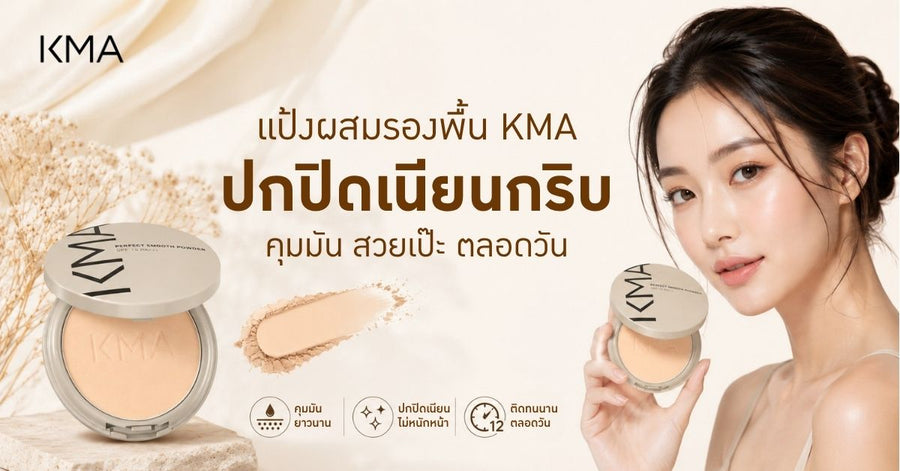
People with oily skin often worry about excess shine, foundation moving out of place, or makeup becoming patchy throughout the day. However, choosing the thickest or most matte foundation is not always the best solution. A suitable foundation for oily skin should help control excess oil, feel lightweight, and perform well according to the weather and your daily activities. Quick Guide: How Should Oily Skin Choose a Foundation? Look for a foundation with the following qualities: Helps control excess oil Has a lightweight, blendable texture Provides a matte or semi-matte finish Allows coverage to be built only where needed Offers water or sweat resistance for outdoor activities Does not require a thick layer across the entire face Foundation for oily skin should help create a balanced-looking complexion rather than leaving the skin excessively dry or flat. Why Does Foundation Wear Off Easily on Oily Skin? When oil builds up on the skin, foundation may move, separate, or wear away in areas that are frequently touched, such as the nose, sides of the nose, forehead, and chin. People with oily skin can also experience dehydrated skin. This may cause the T-zone to look shiny while the cheeks or sides of the nose still feel dry or tight. Other factors that may cause foundation to wear off include: Applying overly rich or heavy skincare Not allowing sunscreen to set Applying several thick layers of foundation Adding powder over oil without blotting first Wiping or rubbing the face during the day 1. Choose a Foundation That Helps Control Excess Oil Foundation for oily skin should help reduce excess shine, especially around the T-zone. However, an intensely matte formula is not always necessary. When certain areas are dry or dehydrated, an overly matte finish may emphasise dryness and fine lines. Finishes worth considering include: Matte Soft matte Semi-matte Natural matte 2. Choose a Lightweight, Buildable Formula A thick foundation does not necessarily last longer. When too much product is applied, it may build up in layers and move more easily once it comes into contact with oil. Look for a foundation that: Blends easily Can be applied in thin layers Adheres well to the skin Allows targeted coverage to be built where needed Begin with a small amount across the face, then add more only over blemishes, redness, or dark spots. This helps create a more natural-looking finish. 3. Choose Water- and Sweat-Resistant Formulas According to Your Activities When spending time outdoors, travelling, or expecting to perspire during the day, consider a water- and sweat-resistant foundation to help the base makeup cope with humidity. For hot and humid conditions, KMA Water Resist Liquid Foundation may be considered for its water resistance, sweat resistance, and oil-control benefits. Add an internal link to: KMA Water Resist Foundation Review: Oil Control, Long-Lasting Wear, and Who It Is Best For 4. Choose a Shade That Blends with Your Neck Having oily skin does not mean you should choose a lighter or deeper foundation shade than usual. Select your shade according to your skin-tone depth and undertone, just as you would for any other skin type. Recommended Shade-Test Method Select two or three shades close to your complexion. Apply them along the jawline. Allow the foundation to set. Check the shades under natural light. Choose the shade that blends most naturally with your neck. For detailed shade-selection guidance, add an internal link to the main foundation guide rather than repeating the full undertone explanation on this page. Should Oily Skin Use Matte or Glowing Foundation? The answer depends on how oily your skin becomes and the finish you prefer. Matte or Semi-Matte Finish Suitable for those who: Experience oiliness across most of the face Want to reduce visible shine Need makeup to last for long periods Spend time in hot or humid weather Natural or Glowing Finish These finishes may still work when: Oiliness is concentrated around the T-zone You prefer a fresh-looking complexion Powder is applied only to oily areas Foundation is used in a small amount You do not need to avoid every glowing foundation. Control the amount applied and set only selected areas. How to Prepare Oily Skin Before Foundation Use an Appropriate Amount of Skincare Do not skip skincare entirely because you are concerned about oiliness. Choose lightweight products and apply only what your skin needs. Allow Each Layer to Set After applying skincare and sunscreen, wait until the skin no longer feels overly wet or slippery before applying foundation. Adjust Preparation According to Each Area When the T-zone is oily but the cheeks are dry, add hydration to the cheeks and use less product on the forehead and nose. Add an internal link to your Skin Prep guide for more detailed preparation instructions. How to Make Foundation Last Longer Begin with a small amount of foundation. Press the product into the skin instead of rubbing it. Build coverage only where needed. Apply a light layer of powder to the T-zone. Avoid applying heavy powder across the entire face. Blot excess oil before adding more powder during the day. When foundation begins to look patchy, blot away excess oil first. Use a clean puff to press and smooth the uneven area, then add product only where needed. Common Mistakes People with Oily Skin Should Avoid Choosing a thick foundation because it is assumed to last longer Skipping every skincare product before makeup Applying foundation immediately after sunscreen Setting the entire face with a heavy layer of powder Repeatedly adding powder over excess oil Choosing a shade that is much lighter than the natural complexion Wiping or rubbing the face during the day Frequently Asked Questions Q: What type of foundation is best for oily skin? A: Choose a lightweight foundation that helps control excess oil and allows coverage to be built selectively. For heat, humidity, or perspiration, consider a water- and sweat-resistant formula. Q: Does oily skin have to use matte foundation? A: No. Oily skin can also use semi-matte or natural-finish foundation. Set only the areas that become oily easily with powder. Q: Should oily skin apply powder across the entire face? A: A heavy layer across the entire face is not necessary. Focus on the T-zone and areas where foundation tends to move. Q: Should I immediately add powder when my face becomes oily? A: Blot away excess oil first, then apply a small amount of powder only where necessary. This helps reduce caking and patchiness. Conclusion People with oily skin should look for foundation that helps control excess oil, feels lightweight, and suits their daily activities. The most matte or full-coverage formula is not always necessary. Prepare the skin with an appropriate amount of skincare, allow sunscreen to set, apply foundation in thin layers, and use powder only on areas that become oily easily. These steps can help the base makeup look smoother, more balanced, and more natural.

Dehydrated Skin and Makeup: Why Foundation Looks Patchy and How to Prep Your Skin
When makeup does not adhere well, foundation looks patchy, settles into lines, or the skin appears oily and dry at the same time, the problem may not be caused by the foundation alone. It may also be related to dehydrated skin. Dehydrated skin can affect every skin type, including oily skin. When the skin lacks moisture, its surface may become uneven, making foundation and cushion products more difficult to blend smoothly. This article explains how to recognise possible signs of dehydration, how it can affect makeup, and how to prepare the skin properly before applying makeup. What Is Dehydrated Skin? Dehydrated skin is a temporary condition in which the skin does not have enough water or moisture. It can affect dry, oily, and combination skin. Dehydrated skin is different from dry skin: Characteristic Dry Skin Dehydrated Skin Meaning A skin type that naturally produces less oil A condition in which the skin lacks sufficient moisture Who It Affects Commonly found in people with dry skin Can affect every skin type Common Signs Dryness, flaking, and tightness Tightness and dryness, sometimes together with excess oil Dehydrated skin may be linked to several factors, including using products that leave the skin feeling overly dry, spending long periods in air-conditioned environments, weather conditions, or following a skincare routine that does not suit the skin. Signs That Your Skin May Be Dehydrated Observe how your skin feels before and after cleansing, as well as how makeup looks after application. When several of the following signs appear together, your skin may need more moisture: The skin feels tight after cleansing. The skin becomes oily, while certain areas still feel dry or flaky. Foundation does not blend smoothly. Makeup settles into lines easily. The complexion looks dull or tired. Powder clings to certain areas. Base makeup wears away unevenly during the day. These signs do not always confirm dehydrated skin. If your skin continues to sting, itch, become red, or peel, stop using any product you suspect may be causing irritation and consult a qualified professional. How Dehydrated Skin Can Affect Makeup 1. Foundation Does Not Adhere Evenly When the skin surface is uneven or contains dry areas, foundation may cling in patches, emphasise flakes, or spread unevenly. 2. Makeup Settles into Lines More Easily Lines under the eyes, around the mouth, and beside the nose may appear more noticeable when the skin lacks moisture, especially when foundation or powder is applied too heavily. 3. Base Makeup Looks Heavy Even with Minimal Product When foundation does not sit closely against the skin, the product may appear separate from the complexion, making the makeup look heavier or less natural than intended. 4. The Skin May Look Oily and Dry at the Same Time Oily skin can also become dehydrated. You may notice excess shine around the T-zone while the cheeks or sides of the nose still feel dry and tight. How to Prepare Dehydrated Skin Before Makeup 1. Cleanse the Skin Gently Avoid cleansing until the skin feels excessively tight. After washing your face, pat it dry gently instead of rubbing it. 2. Choose Lightweight Skincare Apply hydrating products in an appropriate amount. Multiple heavy layers are not always necessary and may cause foundation to slip or separate. 3. Add More Moisture to Dry Areas When the cheeks, sides of the nose, or under-eye area feel drier than the rest of the face, apply additional moisturiser only to those areas. 4. Allow Skincare to Set After applying skincare and sunscreen, wait until the skin no longer feels overly wet or slippery before beginning your makeup. 5. Apply Foundation in Thin Layers Begin with a small amount of foundation or cushion, then build coverage only where necessary. Avoid applying a thick layer across the entire face. 6. Apply Powder Only Where Needed There is no need to heavily set the entire face. Focus on areas that become oily easily, such as the forehead, nose, and chin. What Type of Skin-Prep Product Should You Choose? For pre-makeup skin preparation, look for products that: Have a lightweight texture Do not leave the skin excessively sticky Help provide moisture Work well with sunscreen and foundation Suit your individual skin type A hydrating serum such as KMA Glow Dew Serum may be included as part of your skin-prep routine. Allow the product to settle before applying makeup. What Should You Do If Your Makeup Becomes Patchy? When makeup begins to look patchy during the day, avoid immediately applying a thick layer of foundation or powder over it. First, gently blot away excess oil or sweat. Then use a clean puff or sponge to press and smooth the uneven area. Apply only a small amount of product to the sections where the makeup has worn away. For further guidance, add an internal link to: Why Does Makeup Look Patchy? How to Make It Last All Day Frequently Asked Questions Q: Can oily skin also become dehydrated? A: Yes. Oily skin and dehydrated skin are different concerns. Someone with oily skin may experience excess shine and tight, dry areas at the same time. Q: Can dehydrated skin cause foundation to look patchy? A: It may be one of the causes. When the skin surface is uneven or contains dry areas, foundation may cling inconsistently, emphasise flakes, or settle into lines more easily. Q: How many layers of skincare should I apply before makeup? A: There is no fixed number. Apply only what your skin needs, choose lightweight products, and allow each layer to settle before applying makeup. Q: Should I continue wearing makeup when my skin is peeling or stinging? A: Stop using products that may be causing irritation and avoid applying heavy makeup to areas that are peeling or stinging. If the condition does not improve, consult a qualified professional. Conclusion Dehydrated skin can cause foundation to blend unevenly, settle into lines, cling to flakes, or appear separate from the skin—even for people with oily skin. The most important preparation steps are to provide an appropriate amount of moisture, allow skincare and sunscreen to settle, apply foundation in thin layers, and use powder only where necessary.

Waterproof Foundation: Who Is It Suitable For and How Should You Choose One?
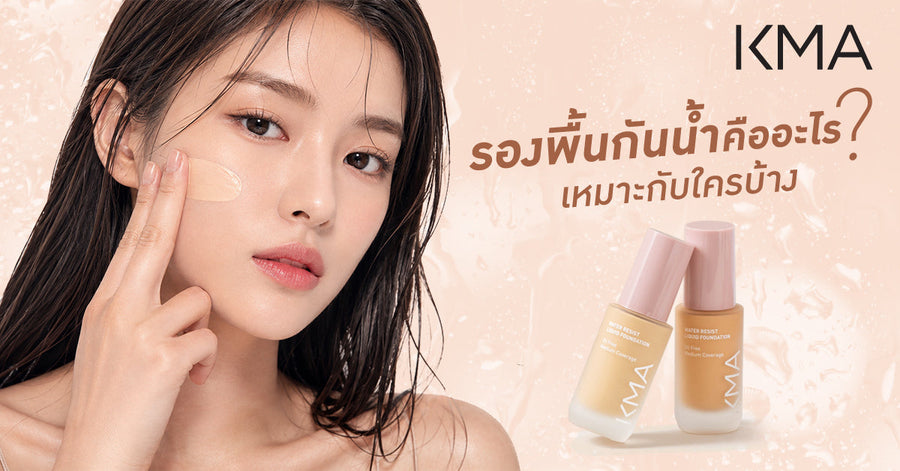
Waterproof foundation is a practical option for days when you expect to face heat, humidity, perspiration, or activities that may cause makeup to move more easily. However, the term “waterproof” does not mean that the foundation will remain completely intact in every situation. When choosing a waterproof foundation, consider the formula, your skin type, the level of coverage you need, and your daily activities. What Is Waterproof Foundation? Waterproof foundation is designed to resist moisture, water, and perspiration better than a standard foundation. This feature may help reduce the chance of foundation moving or wearing away in hot and humid conditions. However, actual performance can vary depending on the formula, skin type, skin preparation, application method, and activity. Waterproof foundation may still wear away when: The skin is rubbed or wiped firmly A large amount of sweat builds up Too much foundation is applied Skincare or sunscreen has not fully set Several layers of powder are applied over excess oil How Is Waterproof Foundation Different from Regular Foundation? Feature Regular Foundation Waterproof Foundation Resistance to humidity Varies by formula Designed to offer greater resistance to moisture Sweat resistance May move more easily Often performs better when exposed to perspiration Wear time Depends on the formula and skin type Often designed for stronger adhesion and longer wear Removal Cleanse according to the product type May require a cleanser designed for long-wearing makeup Finish Available in matte, glowing, and natural finishes Also available in a variety of finishes Waterproof foundation does not always have a thick texture or a matte finish. Always check the details of each formula. Who Is Waterproof Foundation Suitable For? People Who Perspire Easily It may suit those who commute, spend time outdoors, or regularly experience perspiration during the day. People Living in Hot and Humid Conditions Heat and humidity can cause foundation to move more easily. A formula designed to resist perspiration and moisture may perform better in these conditions. People Who Wear Makeup for Long Hours Waterproof foundation may be suitable for workdays, events, graduation ceremonies, or occasions when frequent touch-ups are inconvenient. People with Oily or Combination Skin It can be suitable for oily or combination skin, but look for a formula that also includes oil-control benefits, as not every waterproof foundation controls excess oil. People with Outdoor Activities This includes commuting, outdoor travel, running after work, or spending extended periods outside. Who Should Consider the Formula Carefully? People with Dry or Flaky Skin Long-wearing foundation may emphasise dry areas when the skin is not prepared properly. Add suitable moisture and apply the foundation in thin layers. People Who Prefer a Very Dewy Finish Check the finish of each product before purchasing, as some waterproof foundations provide a matte or semi-matte result. People Who Do Not Want an Additional Makeup-Removal Step Long-wearing foundation may require a dedicated makeup remover before facial cleansing to ensure that the product is removed thoroughly. How to Choose the Right Waterproof Foundation 1. Choose According to Your Skin Type Oily or Combination Skin Look for oil-control benefits Choose a matte or semi-matte finish Set the T-zone lightly with powder Dry Skin Choose an easy-to-blend texture Moisturise the skin before makeup Avoid applying thick layers of foundation and powder Combination Skin Choose a balanced formula Control oil only around the T-zone Add moisture to the cheeks 2. Choose According to Your Activities Use Features to Look For Everyday wear Lightweight and comfortable texture All-day work Long-lasting wear with buildable coverage Outdoor activities Water resistance, sweat resistance, and suitability for hot weather Exercise after work Lightweight coverage, sweat resistance, and easy targeted touch-ups Important events or photography Suitable coverage and a shade that blends with the neck 3. Choose the Right Level of Coverage Light Coverage Suitable for helping the skin tone appear more even. Medium Coverage Suitable for everyday wear and allows additional coverage to be built over selected areas. Full Coverage Suitable for visible marks, discolouration, or special occasions. Avoid applying a thick layer of full-coverage foundation over the entire face. Begin with a thin layer and build only where needed. 4. Choose a Shade That Blends with Your Neck Test two or three shades along the jawline, allow the foundation to set, and check the result under natural light. The right shade should create a seamless transition between the face, jawline, and neck. Avoid choosing a shade that is significantly lighter than your skin simply to make the complexion appear brighter. An Example of Waterproof Foundation for Hot Weather KMA Water Resist Liquid Foundation is a liquid foundation designed to resist water and perspiration while helping control excess oil. It also provides SPF 30 and may be suitable for those who want longer-lasting base makeup in hot and humid weather. Add internal links to: KMA Water Resist Liquid Foundation Review KMA Water Resist Foundation Six-Shade Guide How to Make Waterproof Foundation Last Longer Prepare the skin according to your skin type Allow skincare and sunscreen to set Begin with a small amount of foundation Build coverage only where needed Set powder only on areas that become oily easily Blot perspiration or excess oil instead of wiping Avoid touching the face frequently These steps may help reduce makeup movement, but they do not guarantee that the foundation will remain completely unchanged in every situation. How to Remove Waterproof Foundation Waterproof or long-wearing foundation should be removed with a suitable makeup remover, such as: Cleansing oil Cleansing balm Micellar water formulated for long-wearing makeup Follow with your usual facial cleanser and avoid rubbing the skin aggressively. Frequently Asked Questions Q: Is waterproof foundation also sweat resistant? A: Many formulas are designed to resist both water and perspiration. However, check the claims of each product, as the term “waterproof” does not guarantee that every formula offers the same level of sweat resistance. Q: Can oily skin use waterproof foundation? A: Yes. Choose a formula that also helps control excess oil and apply it in thin layers. Q: Does waterproof foundation need to be set with powder? A: Not necessarily across the entire face. Oily skin may benefit from lightly setting the T-zone, while dry skin may only need powder on areas where foundation tends to move. Q: Can waterproof foundation be used every day? A: It can be used according to your skin’s needs and daily activities. Remove the makeup thoroughly and discontinue use if irritation occurs. Conclusion Waterproof foundation is suitable for people who face hot weather, humidity, perspiration, or long makeup-wear periods. However, the formula should still be selected according to skin type, finish, coverage level, and daily activity. Waterproof foundation may help makeup resist water and sweat more effectively, but it can still move or wear away due to wiping, rubbing, or using products that do not suit the skin.

How to Keep Your Makeup Looking Fresh During an After-Work Run
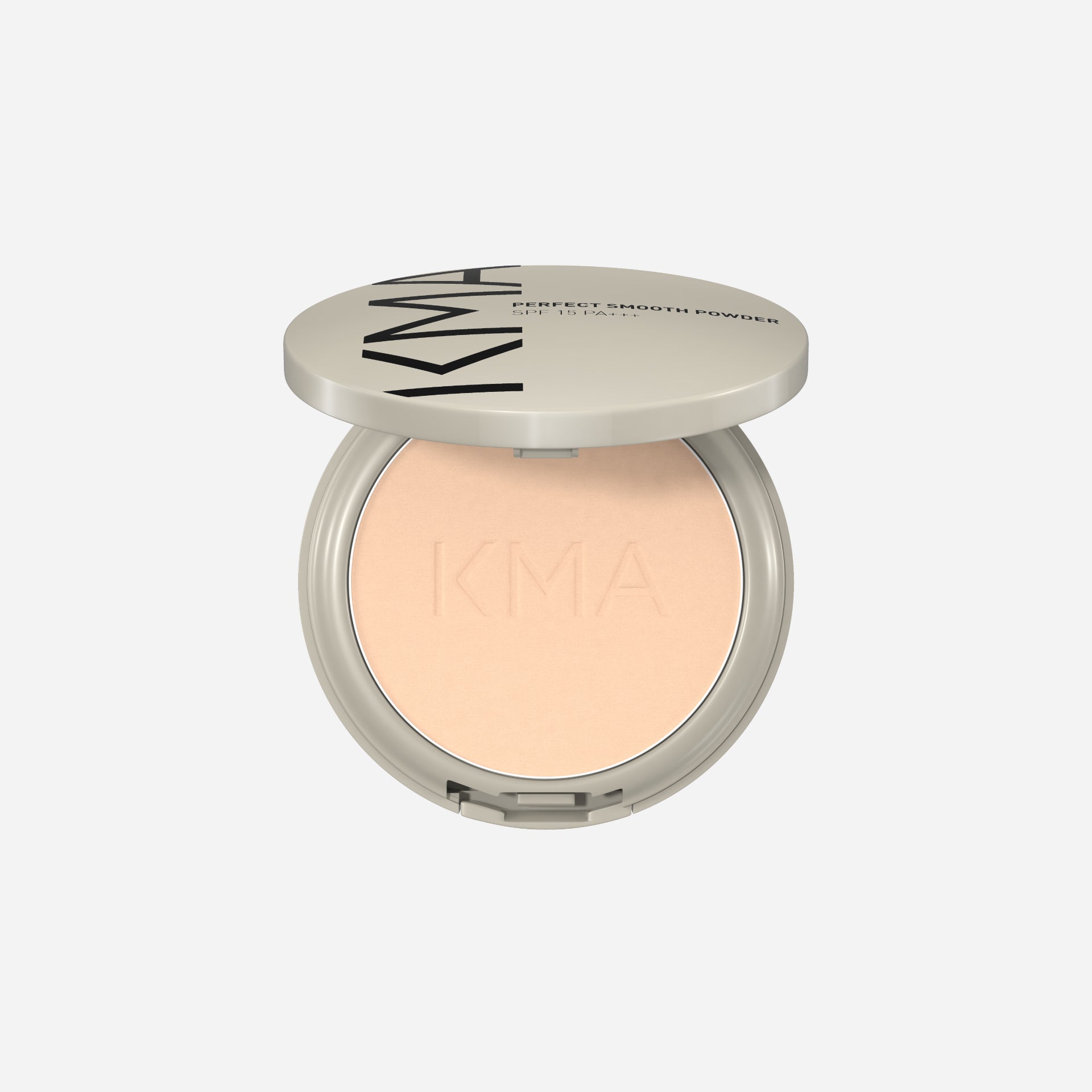
After work, many people choose to go running to stay active—whether at a public park, on a treadmill, or with a group of friends. However, for those who have been wearing makeup since morning, one common concern is: “What should I do if my face becomes oily, my foundation turns patchy, or my makeup wears off while I run?” Running does not always cause makeup to break down. The more important factors are the products you use and how you prepare your skin before exercising. With the right approach, you can run with confidence while keeping your complexion looking fresh and natural throughout your activity. Why Does Makeup Wear Off While Running? When you begin running, your body temperature rises, causing the skin to produce more perspiration and oil than usual. Common reasons makeup wears off include: Heavy perspiration Excess oil building up on the skin Hot and humid weather Foundation that is not suitable for physical activity Frequently wiping away sweat with your hands When foundation is not designed to resist perspiration or humidity, it may separate or become patchy more quickly. Can You Wear Makeup While Running? The answer is yes. However, your makeup should be appropriate for the activity. There is no need to apply a thick layer of foundation or follow as many steps as you would for a special event. The goal is to create a smooth, natural-looking complexion while reducing the chance of patchiness when you perspire. Choose a Foundation Suitable for Exercise Foundation is one of the most important elements of base makeup. For those who work throughout the day and plan to run in the evening, look for a foundation that offers: Water resistance Sweat resistance Oil-control benefits Long-lasting wear without becoming patchy KMA Water Resist Liquid Foundation was developed for use in hot and humid conditions. It features Flexi Film Non-Transfer Technology, which helps the pigments adhere more securely to the skin. This supports long-lasting, water-resistant, and sweat-resistant wear. The formula also provides natural-looking coverage, helps control excess oil, and contains SPF 30 to help protect the skin from UV rays. It is suitable for those who want a smooth complexion without a heavy feeling. Set Your Base Before Running After applying foundation, lightly setting the skin with powder can help improve makeup wear, especially for people with oily skin or those who perspire easily. KMA Loose Powder is a finely milled loose powder designed to help set makeup and absorb excess oil throughout the day, leaving the complexion looking smooth and naturally bright. Its Silky Soft Powder, containing mica, provides a smooth, lightweight feel and blends easily without making the skin feel heavy. The formula also features Flawless Skin Fit Powder, containing titanium dioxide, which helps the powder adhere more closely to the skin for a more even and longer-lasting makeup finish. It may be used to prepare the complexion before outdoor activities or exercise. How to Blot Sweat Without Removing Your Makeup One of the quickest ways to disturb your makeup is to wipe away sweat firmly with your hands or a towel. Instead: Use blotting paper or a clean tissue. Gently press against the skin to absorb sweat. Avoid rubbing or wiping forcefully. Try not to touch your face unnecessarily. Gently blotting the skin helps preserve the makeup film better than rubbing. What Should You Do After Running? After exercising, cleanse your face as soon as reasonably possible to remove the build-up of: Perspiration Excess oil Dust Pollution Follow with your usual moisturising skincare routine. Proper post-workout cleansing is an important step in supporting healthy-looking skin over time. Conclusion Running does not have to mean sacrificing fresh-looking makeup. Choosing products suited to physical activity—especially water- and sweat-resistant foundation and a powder that helps control excess oil—can help your makeup stay looking smoother for longer. For anyone who works from morning and continues with activities after work, planning your base makeup according to the weather and your lifestyle can help you feel confident throughout the day. Frequently Asked Questions Q: Why does foundation become patchy while running? A: Running increases body temperature, perspiration, and oil production. If the foundation does not adhere well to the skin or excess oil builds up, it may move, separate, or become patchy during exercise. Q: Do I still need sunscreen when running in the evening? A: Sun protection may still be appropriate when there is daylight and UV exposure. Apply a suitable sunscreen before outdoor activity and follow the product’s directions for use and reapplication. Q: How should I wipe away sweat without removing my makeup? A: Use blotting paper or a clean tissue and gently press it against the skin. Avoid rubbing or wiping forcefully, as friction can remove makeup and cause patchiness. Q: How should oily skin be prepared before running? A: Choose lightweight skincare and makeup products that help control excess oil. Use a long-wearing foundation or cushion and lightly set areas that become oily easily with powder. Q: Should I wash my face immediately after running? A: Cleanse the skin as soon as reasonably possible after exercising to remove perspiration, oil, and impurities that have accumulated on the skin. Q: Can frequent running damage the skin? A: Running itself does not directly damage the skin. However, inadequate sun protection, leaving perspiration and impurities on the skin, or using unsuitable products may contribute to concerns such as irritation or dullness. Q: How can I help my makeup last from morning until after my evening run? A: Begin with suitable sun protection, choose water- and sweat-resistant foundation, lightly set oily areas with powder, and blot perspiration gently during your activity. These steps can help your makeup remain more even for longer.

Skin Prep Before Makeup: Why It Matters and How It Helps Makeup Last Longer
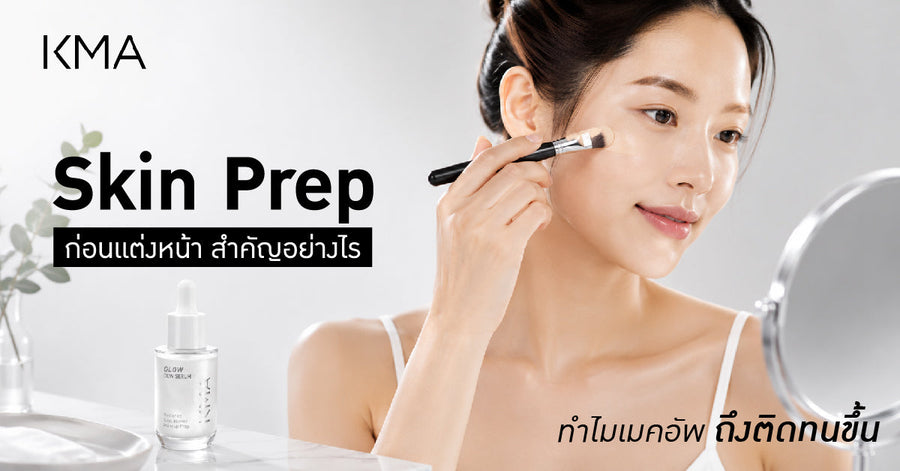
Many people invest in high-quality foundation, cushion foundation, or face powder, yet still experience familiar makeup concerns such as: Patchy foundation Cushion foundation settling into lines Skin looking dry during the day Makeup not lasting The complexion looking dull shortly after application These problems may not be caused by makeup products alone. They may also be related to how the skin is prepared before makeup, commonly known as Skin Prep. Skin Prep is an important step that helps prepare the skin for makeup. It can help makeup adhere more evenly, create a smoother-looking finish, and improve wear throughout the day. What Is Skin Prep? Skin Prep is the process of preparing the skin so that it feels moisturised, balanced, and smooth before makeup application. It can be compared to preparing a canvas before painting. When the skin has an appropriate level of moisture, makeup becomes easier to blend, sits more closely on the skin, and is less likely to become patchy during the day. Why Is Skin Prep Important Before Makeup? Helps Foundation Last Longer When the skin has sufficient moisture, foundation can adhere more evenly, helping reduce flaking, separation, and uneven wear. Helps Reduce Patchy Makeup Dry or dehydrated skin may cause foundation to clump, cling to dry areas, or emphasise cracks in the makeup. Proper Skin Prep can help create a smoother and more even-looking surface. Helps the Skin Look Plump and Healthy Well-moisturised skin can make makeup look more natural. It may also help reduce the appearance of dryness, dullness, and tired-looking skin throughout the day. What Steps Should Be Included in Skin Prep? 1. Cleanse the Skin Begin by cleansing the face to remove excess oil, dirt, and impurities from the skin. 2. Add Moisture Hydration is one of the most important Skin Prep steps because dehydrated skin may cause makeup to wear unevenly. A hydrating serum can help the skin look plumper and better prepared for makeup. 3. Protect the Skin with Sunscreen Apply sunscreen every day, including when spending most of the day indoors, to help protect the skin from UV exposure. 4. Begin Your Makeup Routine Once the skin has been properly prepared, foundation, cushion foundation, and powder can apply and perform more effectively. How Can Serum Support Skin Prep? Serum can be a useful pre-makeup skincare product because it often has a lightweight texture, absorbs quickly, and helps provide moisture. KMA Glow Dew Serum was developed to work as both a skincare serum and a Skin Prep step before makeup. Its lightweight texture helps the skin appear naturally dewy without using shimmer or light-reflecting particles. The formula features Recrystallizing Fatty Acids Technology, which helps create a glowing appearance through the way the serum texture reflects light, leaving the skin looking healthier and smoother. Ingredients That Help Prepare the Skin for Makeup Triple Hyaluronic Acid Helps provide and retain moisture so the skin appears plumper, while reducing the appearance of dryness that may cause makeup to settle into lines. Niacinamide Helps the complexion appear more even and radiant. Biome PDRN Complex Helps support a healthy-looking and resilient complexion. Blue Pearl Protein Helps the skin appear naturally luminous. Adenosine Helps the skin look smoother and more youthful. Who Can Benefit from Skin Prep? Skin Prep may be suitable for: People whose makeup becomes patchy People whose foundation does not adhere well People with dry or dehydrated skin People who prefer a naturally dewy complexion People who want their makeup to last longer People who wear makeup regularly Conclusion Skin Prep may seem like a small step, but it can make a noticeable difference to the final makeup result. Adding the right amount of moisture and properly preparing the skin can help foundation, cushion foundation, and powder perform more effectively while reducing the chance of makeup becoming patchy or wearing away during the day. For a smoother, more hydrated-looking complexion and longer-lasting makeup, suitable Skin Prep is an important step that should not be overlooked. Frequently Asked Questions About Skin Prep Before Makeup Q: What is Skin Prep? A: Skin Prep is the process of preparing the skin before makeup by providing moisture, supporting skin balance, and creating a smoother surface for makeup application. Q: Does Skin Prep really help makeup last longer? A: It can help. When the skin has an appropriate level of moisture, foundation, cushion foundation, and powder may adhere more evenly and be less likely to become patchy, settle into lines, or wear away during the day. Q: Why does foundation become patchy even when I use a good foundation? A: One common reason is dehydrated or insufficiently prepared skin. When the skin surface is unbalanced, foundation may not adhere evenly, even when the product itself is high quality. Q: Is Skin Prep suitable for oily skin? A: Yes. Oily skin can also become dehydrated. Lightweight hydration can help the skin feel more balanced without requiring heavy skincare layers. Q: Should I use serum before makeup? A: A lightweight hydrating serum can be useful before makeup because it may help the skin look plumper and smoother while making foundation easier to blend. Q: Does Skin Prep take a long time? A: Not necessarily. A basic Skin Prep routine may include cleansing, moisturising, and applying sunscreen before makeup. Q: How does dehydrated skin affect makeup? A: Dehydrated skin may cause foundation to settle into lines, cling to flakes, appear uneven, or wear away more quickly. Q: What is the difference between Skin Prep and primer? A: Skin Prep uses skincare to prepare and moisturise the skin. Primer is a makeup product applied after skincare to address concerns such as visible pores, uneven texture, or makeup wear. Q: What qualities should a pre-makeup serum have? A: It should ideally provide moisture, absorb easily, feel lightweight, and avoid leaving excessive stickiness that may interfere with foundation or cushion application. Q: Is Skin Prep suitable for people who wear makeup every day? A: Yes. It can help the skin appear moisturised and healthy-looking while reducing common problems such as patchiness and uneven makeup application.
บทความล่าสุด
เรื่องราวและเคล็ดลับความงามสำหรับคุณ