People with oily skin often worry about excess shine, foundation moving out of place, or makeup becoming patchy throughout the day. However, choosing the thickest or most matte foundation is not always the best solution.
A suitable foundation for oily skin should help control excess oil, feel lightweight, and perform well according to the weather and your daily activities.
Quick Guide: How Should Oily Skin Choose a Foundation?
Look for a foundation with the following qualities:
- Helps control excess oil
- Has a lightweight, blendable texture
- Provides a matte or semi-matte finish
- Allows coverage to be built only where needed
- Offers water or sweat resistance for outdoor activities
- Does not require a thick layer across the entire face
Foundation for oily skin should help create a balanced-looking complexion rather than leaving the skin excessively dry or flat.
Why Does Foundation Wear Off Easily on Oily Skin?
When oil builds up on the skin, foundation may move, separate, or wear away in areas that are frequently touched, such as the nose, sides of the nose, forehead, and chin.
People with oily skin can also experience dehydrated skin. This may cause the T-zone to look shiny while the cheeks or sides of the nose still feel dry or tight.
Other factors that may cause foundation to wear off include:
- Applying overly rich or heavy skincare
- Not allowing sunscreen to set
- Applying several thick layers of foundation
- Adding powder over oil without blotting first
- Wiping or rubbing the face during the day
1. Choose a Foundation That Helps Control Excess Oil
Foundation for oily skin should help reduce excess shine, especially around the T-zone.
However, an intensely matte formula is not always necessary. When certain areas are dry or dehydrated, an overly matte finish may emphasise dryness and fine lines.
Finishes worth considering include:
- Matte
- Soft matte
- Semi-matte
- Natural matte
2. Choose a Lightweight, Buildable Formula
A thick foundation does not necessarily last longer. When too much product is applied, it may build up in layers and move more easily once it comes into contact with oil.
Look for a foundation that:
- Blends easily
- Can be applied in thin layers
- Adheres well to the skin
- Allows targeted coverage to be built where needed
Begin with a small amount across the face, then add more only over blemishes, redness, or dark spots. This helps create a more natural-looking finish.
3. Choose Water- and Sweat-Resistant Formulas According to Your Activities
When spending time outdoors, travelling, or expecting to perspire during the day, consider a water- and sweat-resistant foundation to help the base makeup cope with humidity.
For hot and humid conditions, KMA Water Resist Liquid Foundation may be considered for its water resistance, sweat resistance, and oil-control benefits.
Add an internal link to:
KMA Water Resist Foundation Review: Oil Control, Long-Lasting Wear, and Who It Is Best For
4. Choose a Shade That Blends with Your Neck
Having oily skin does not mean you should choose a lighter or deeper foundation shade than usual. Select your shade according to your skin-tone depth and undertone, just as you would for any other skin type.
Recommended Shade-Test Method
- Select two or three shades close to your complexion.
- Apply them along the jawline.
- Allow the foundation to set.
- Check the shades under natural light.
- Choose the shade that blends most naturally with your neck.
For detailed shade-selection guidance, add an internal link to the main foundation guide rather than repeating the full undertone explanation on this page.
Should Oily Skin Use Matte or Glowing Foundation?
The answer depends on how oily your skin becomes and the finish you prefer.
Matte or Semi-Matte Finish
Suitable for those who:
- Experience oiliness across most of the face
- Want to reduce visible shine
- Need makeup to last for long periods
- Spend time in hot or humid weather
Natural or Glowing Finish
These finishes may still work when:
- Oiliness is concentrated around the T-zone
- You prefer a fresh-looking complexion
- Powder is applied only to oily areas
- Foundation is used in a small amount
You do not need to avoid every glowing foundation. Control the amount applied and set only selected areas.
How to Prepare Oily Skin Before Foundation
Use an Appropriate Amount of Skincare
Do not skip skincare entirely because you are concerned about oiliness. Choose lightweight products and apply only what your skin needs.
Allow Each Layer to Set
After applying skincare and sunscreen, wait until the skin no longer feels overly wet or slippery before applying foundation.
Adjust Preparation According to Each Area
When the T-zone is oily but the cheeks are dry, add hydration to the cheeks and use less product on the forehead and nose.
Add an internal link to your Skin Prep guide for more detailed preparation instructions.
How to Make Foundation Last Longer
- Begin with a small amount of foundation.
- Press the product into the skin instead of rubbing it.
- Build coverage only where needed.
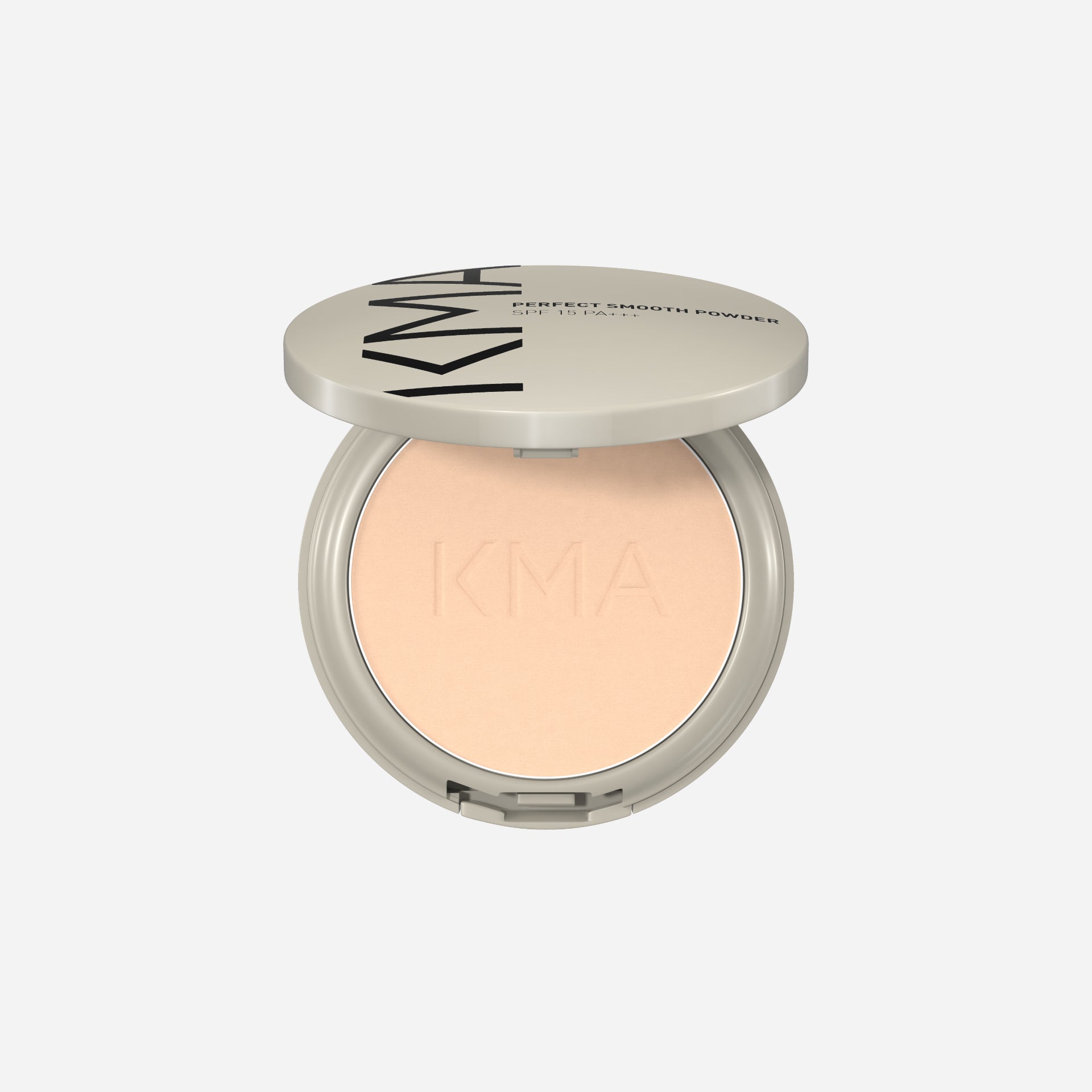
- Apply a light layer of powder to the T-zone.
- Avoid applying heavy powder across the entire face.
- Blot excess oil before adding more powder during the day.
When foundation begins to look patchy, blot away excess oil first. Use a clean puff to press and smooth the uneven area, then add product only where needed.
Common Mistakes People with Oily Skin Should Avoid
- Choosing a thick foundation because it is assumed to last longer
- Skipping every skincare product before makeup
- Applying foundation immediately after sunscreen
- Setting the entire face with a heavy layer of powder
- Repeatedly adding powder over excess oil
- Choosing a shade that is much lighter than the natural complexion
- Wiping or rubbing the face during the day
Frequently Asked Questions
Q: What type of foundation is best for oily skin?
A: Choose a lightweight foundation that helps control excess oil and allows coverage to be built selectively. For heat, humidity, or perspiration, consider a water- and sweat-resistant formula.
Q: Does oily skin have to use matte foundation?
A: No. Oily skin can also use semi-matte or natural-finish foundation. Set only the areas that become oily easily with powder.
Q: Should oily skin apply powder across the entire face?
A: A heavy layer across the entire face is not necessary. Focus on the T-zone and areas where foundation tends to move.
Q: Should I immediately add powder when my face becomes oily?
A: Blot away excess oil first, then apply a small amount of powder only where necessary. This helps reduce caking and patchiness.
Conclusion
People with oily skin should look for foundation that helps control excess oil, feels lightweight, and suits their daily activities. The most matte or full-coverage formula is not always necessary.
Prepare the skin with an appropriate amount of skincare, allow sunscreen to set, apply foundation in thin layers, and use powder only on areas that become oily easily. These steps can help the base makeup look smoother, more balanced, and more natural.