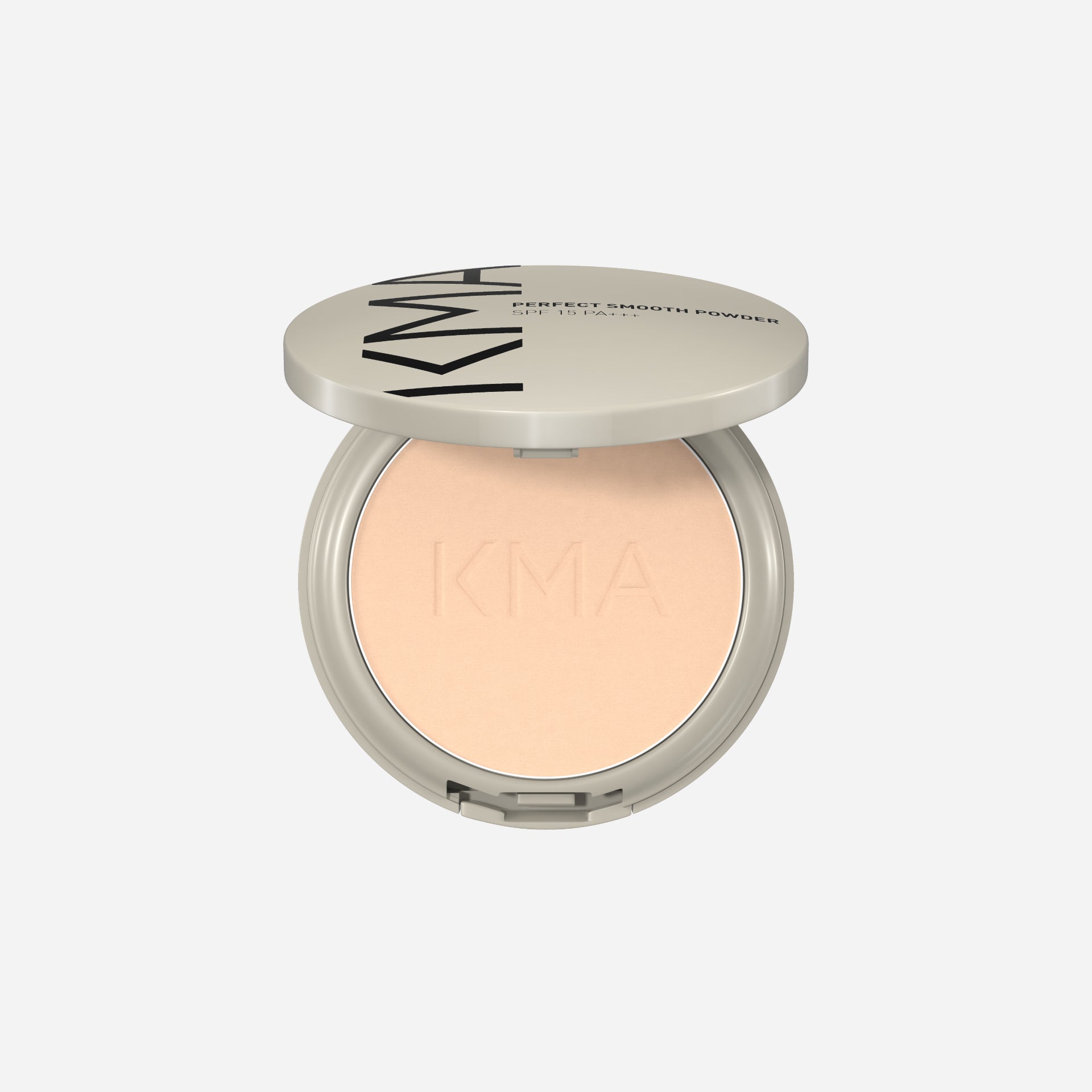
Graduation day often begins early in the morning and continues for many hours, with makeup application, photo sessions, outdoor activities, and meeting friends and family.
Your base makeup therefore needs to withstand heat, humidity, perspiration, and occasional contact with the face throughout the day.
Foundation for graduation day should not be selected based on coverage alone. You should also consider its wear time, finish, shade, and suitability for your skin type so that your complexion looks smooth both in person and in photographs.
Quick Guide: What Should Graduation Foundation Offer?
Look for a foundation with the following qualities:
- Water and sweat resistance
- Oil-control benefits
- A matte or semi-matte finish
- Buildable coverage
- A shade that blends with the jawline and neck
- A formula that can be applied in thin layers
- No need for repeated heavy touch-ups
The right foundation should not make the face look significantly lighter than the neck. It should help the complexion appear even and natural both in real life and in photos.
Why Does Foundation Wear Off Easily on Graduation Day?
Graduation day involves several factors that can cause base makeup to move or wear away, including:
- Heat and humidity
- Perspiration during outdoor photo sessions
- Applying too much skincare or sunscreen
- Applying a thick layer of foundation from the beginning
- Using too much powder
- Wiping or rubbing the face during the day
- Applying powder directly over oil without blotting first
Water-resistant foundation may handle moisture more effectively, but it can still become patchy or wear away when applied too heavily, rubbed, or layered over too many products.
How to Choose Foundation for Graduation Day
1. Choose a Finish That Suits Your Skin Type
Oily or Combination Skin
Consider a soft-matte, semi-matte, or matte finish with oil-control benefits.
You do not always need the most intensely matte formula. When certain areas are dry, an overly matte finish may emphasise fine lines, flaking, or uneven texture.
Dry Skin
Prepare the skin with sufficient moisture and choose a blendable foundation that does not set too quickly or leave the complexion looking overly dry.
Apply powder only where necessary instead of heavily setting the entire face.
Combination Skin
Control excess oil around the T-zone while adding moisture to the cheeks to create a more balanced-looking finish.
2. Choose a Water- and Sweat-Resistant Formula
Graduation ceremonies often involve outdoor activities and perspiration, so look for clear water- and sweat-resistance information.
However, it is important to understand that:
- Water resistance does not always mean oil control.
- Oil control does not always mean sweat resistance.
- Long-lasting wear does not mean the product will remain intact after rubbing or wiping.
Always review the complete product claims before making a decision.
3. Choose Buildable Coverage
For graduation day, medium coverage with buildable performance is often easy to work with.
Apply a thin layer across the face, then build coverage only over areas such as:
- Blemishes
- Redness
- Dark spots
- Uneven skin tone
Applying a thick layer of full-coverage foundation across the entire face may make the complexion look heavy and increase the chance of patchiness after several hours.
4. Choose a Shade That Blends with Your Neck
Avoid choosing a foundation significantly lighter than your skin simply because you want the face to look brighter in photos.
A recommended testing method is to:
- Select two or three shades close to your complexion.
- Apply them along the jawline.
- Allow the foundation to set.
- Check the shades under natural light.
- Take test photos using the front camera, rear camera, and flash.
- Choose the shade that creates the most natural transition between the face and neck.
The right shade should not make the face look noticeably lighter or disconnected from the neck.
Should You Do a Makeup Trial Before Graduation Day?
Yes, especially when using a new foundation or sunscreen.
A trial helps you check:
- Whether the foundation works well with your skincare and sunscreen
- Whether the shade changes after setting
- Where the foundation becomes patchy
- How much powder is needed
- How the complexion looks in flash photography
- Which areas become oily or wear away after several hours
Try wearing the makeup on a day with activities similar to graduation day so you can evaluate the result more accurately.
How to Prepare Your Skin Before Graduation Makeup
1. Use an Appropriate Amount of Skincare
Avoid applying too many skincare layers, as this may cause foundation to slip or separate.
Choose only the products your skin needs and use amounts appropriate for your skin type.
2. Apply Sunscreen as Usual
Even when foundation contains SPF, apply a dedicated sunscreen before makeup, especially when you expect to spend several hours outdoors.
3. Allow Skincare and Sunscreen to Set
When the skin still feels very wet or slippery, foundation may blend unevenly or move more easily.
Allow each layer to settle before applying makeup.
4. Apply Primer Only Where Needed
There is no need to apply a thick layer of primer across the entire face.
Use it selectively on areas with visible pores, excess oil, or uneven texture.
How to Apply Foundation for Long-Lasting, Lightweight Coverage
- Begin with a small amount of foundation.
- Apply from the centre of the face and blend outward.
- Press or tap the product into the skin instead of rubbing.
- Build coverage only where needed.
- Use less product under the eyes, around the nose, and near smile lines.
- Allow the foundation to set before applying powder.
- Set powder only on areas that become oily easily.
A damp makeup sponge may help create a thinner, more skin-like finish, although the result depends on the foundation formula and application technique.
Do You Need to Apply Powder Across the Entire Face?
Not necessarily.
- Oily skin: Set the forehead, nose, sides of the nose, and chin.
- Combination skin: Focus on the T-zone.
- Dry skin: Apply powder only where foundation tends to move.
- Under the eyes and around smile lines: Use a very small amount.
Applying too much powder may make the skin look heavy, dry, or creased after several hours.
How Should You Touch Up Makeup During the Day?
Avoid applying powder directly over perspiration or excess oil.
Follow these steps:
- Gently press a clean tissue or blotting paper onto the skin.
- Use a clean puff to smooth the existing makeup.
- Reapply foundation only where it has worn away.
- Lightly set powder only where necessary.
- Avoid rubbing or wiping the face aggressively.
What to Carry on Graduation Day
- Blotting paper
- Clean tissues
- A clean puff or makeup sponge
- Powder for targeted touch-ups
- The lip colour used that day
- Cotton buds
- A compact mirror
There is no need to carry a full-sized bottle of foundation when the base has been applied properly and you have the right tools for targeted touch-ups.
How Is KMA Water Resist Suitable for Graduation Day?
KMA Water Resist Liquid Foundation is a liquid foundation with water-resistant, sweat-resistant, and oil-control benefits, together with SPF30.
It may be suitable for long, active days involving heat, humidity, and outdoor activities.
The current product information also refers to Flexi Film Non-Transfer Technology. Before publishing, confirm all approved claims with the product team, particularly claims relating to wear time and non-transfer performance.
For more information about the finish, coverage, and suitable users, add an internal link to:
What Is Waterproof Foundation, Who Is It Suitable For, and How Should You Choose One?
Frequently Asked Questions
Q: Does graduation foundation have to be waterproof?
A: Not in every case. However, water- and sweat-resistant formulas may be more suitable for days involving heat, humidity, and perspiration. Always consider your skin type and planned activities as well.
Q: What level of foundation coverage is suitable for graduation day?
A: Medium coverage that can be built over selected areas is often practical. It helps prevent the base from looking too heavy while still covering areas that need extra attention.
Q: Should I choose a foundation lighter than my skin so that I look better in photos?
A: It is not recommended. Choose a shade that blends naturally with your neck, then brighten only the centre of the face with concealer if needed. This helps reduce the chance of the face looking too pale in photographs.
Q: Do I need to set powder across the entire face?
A: No. Set only areas that become oily easily or where foundation tends to move. This helps prevent the complexion from looking too heavy or dry.
Q: How many times should I do a makeup trial before graduation day?
A: At least one full trial is recommended. Check the foundation shade, product compatibility, wear time, and appearance under different lighting and camera conditions.
Conclusion
Foundation for graduation day should help withstand heat, humidity, and perspiration while providing a shade that blends naturally with the face and neck.
Do a makeup trial before the event, apply foundation in thin layers, build coverage only where needed, set powder according to your skin type, and blot excess oil before touching up.
These steps can help your complexion look natural and remain in good condition for longer throughout graduation day.