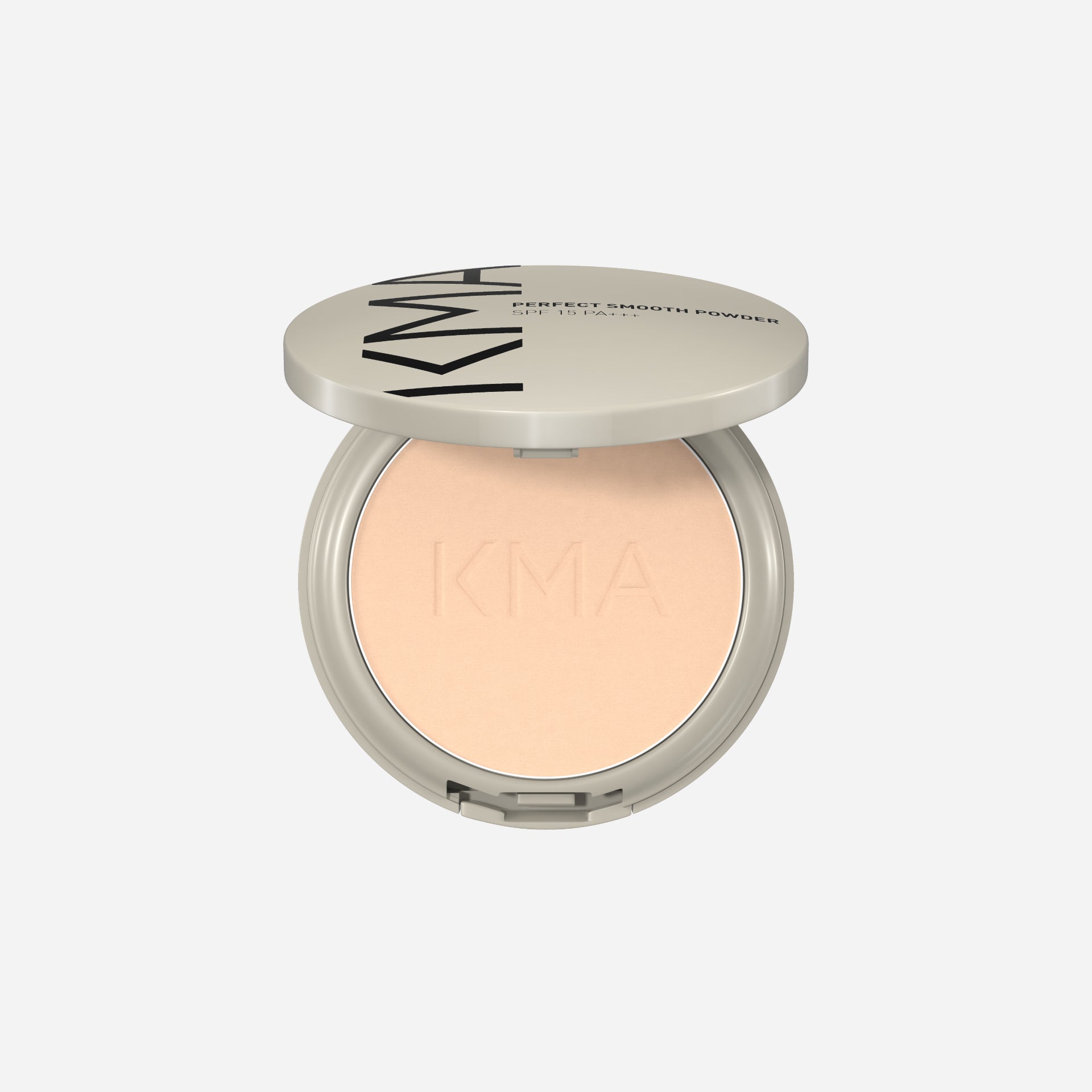
You may leave home in the morning feeling confident, with smooth foundation and a bright, fresh-looking complexion. By the afternoon, however, your face may look dull, the foundation shade may appear darker, and your makeup may no longer look as fresh as it did earlier.
Many people assume that the foundation has simply worn off. In fact, the problem may be caused by foundation oxidation, which is especially common in hot and humid climates such as Thailand.
This article explains what foundation oxidation is, why it happens, how to reduce it, and how to choose a foundation that helps maintain a fresh-looking shade throughout the day.
What Is Foundation Oxidation?
Foundation oxidation occurs when the colour of foundation becomes darker, duller, or changes after it has been worn for a period of time.
As a result, the face may appear darker than the natural complexion even though the shade looked suitable immediately after application.
Common signs include:
- Foundation developing a greyish tone
- The shade becoming one or two levels darker
- The complexion looking dull during the day
- The face and neck appearing noticeably different in colour
This does not always mean that the wrong shade was selected. The colour change may be related to the interaction between foundation pigments, skin oils, perspiration, and environmental conditions.
What Causes Foundation to Oxidise?
1. Natural Skin Oil
One of the main factors associated with foundation oxidation is the oil produced by the skin throughout the day.
When foundation pigments come into contact with sebum, perspiration, and oxygen in the air, the colour may become darker or duller than it appeared when first applied.
This is why people with oily skin may notice foundation oxidation more often than those with dry skin.
Read more: What Type of Foundation Is Best for Oily Skin?
2. Heat and High Humidity
Thailand experiences hot weather for much of the year. Heat and perspiration expose makeup to moisture throughout the day, which may affect foundation wear and contribute to visible colour changes.
3. Dehydrated Skin
Even oily skin can become dehydrated.
When the skin lacks moisture, it may also produce more oil in some areas. This can affect how foundation sits on the skin and may increase the likelihood of colour changes during wear.
Appropriate Skin Prep is therefore an important step in helping makeup apply more evenly and last longer.
Read more: Why Skin Prep Matters Before Makeup
4. Foundation Formula and Pigment Technology
Foundation formulas use different technologies and pigment systems.
When a formula does not sufficiently support pigment stability or adhesion, the pigments may interact more noticeably with oil and moisture on the skin, causing the shade to change more quickly.
Foundation Oxidation vs. Foundation Breakdown
| Comparison | Foundation Oxidation | Foundation Breakdown |
|---|---|---|
| What happens | The foundation becomes darker, duller, or changes tone | The foundation separates, wears away, or disappears in patches |
| Main causes | Interaction between pigments, oil, perspiration, and air | Perspiration, oil, friction, or poor adhesion |
| Appearance | The product remains on the skin, but the colour changes | The product wears away, becomes patchy, or reveals the skin underneath |
| Visible result | The face looks dull or darker than it did in the morning | Makeup looks patchy around the nose, cheeks, or chin |
| How to reduce it | Choose a formula designed for stable colour and oil control | Choose water- and sweat-resistant foundation and prepare the skin properly |
| Product features to consider | Pigment-adhering or colour-stability technology | Water resistance, sweat resistance, and stronger wear |
Although these concerns may look similar, they have different causes and may require different solutions.
How to Reduce Foundation Oxidation During the Day
Prepare the Skin Before Makeup
Balanced hydration can help foundation sit more evenly and may reduce excess oil in certain areas.
Choose lightweight skincare suited to your skin type and allow each layer, including sunscreen, to set before applying foundation.
Choose a Foundation with Pigment-Adhesion Technology
For long makeup-wear days, look for a foundation that offers:
- Water resistance
- Sweat resistance
- Oil-control benefits
- Strong pigment adhesion
- Colour-stability benefits
- Long-lasting wear
Lightly Set the Skin with Loose Powder
After applying foundation, use a small amount of translucent loose powder to help absorb excess oil, particularly around the T-zone.
Avoid applying too much powder, as heavy layering may make the complexion look dry or cakey.
Blot Excess Oil Before Touching Up
When the face becomes oily during the day, blot away excess oil before applying more powder.
Adding powder directly over oil and perspiration may make the makeup look thick or patchy.
What Type of Foundation Can Help Reduce Oxidation?
For those who wear makeup for long periods or live in hot and humid weather, KMA Water Resist Liquid Foundation SPF30 may be a suitable option.
It is designed to help foundation adhere more closely to the skin and maintain a smooth-looking complexion throughout the day.
Key Features
- Flexi Film Non-Transfer Technology helps pigments adhere more closely to the skin and supports longer-lasting wear.
- Water- and sweat-resistant properties make it suitable for everyday activities in hot and humid conditions.
- Oil-control benefits help reduce excess shine.
- Buildable coverage helps create a smooth yet natural-looking complexion.
- SPF30 provides additional daily UV protection.
It may be suitable for oily skin, combination skin, or anyone who wants longer-lasting base makeup without frequent foundation touch-ups.
Conclusion
Foundation oxidation is influenced by several factors, including skin oil, heat, perspiration, skin preparation, and the foundation formula.
Preparing the skin properly, choosing a foundation with suitable pigment and adhesion technology, controlling excess oil, and applying makeup in thin layers can help reduce the appearance of dullness and colour change during the day.
For hot and humid conditions, KMA Water Resist Liquid Foundation is an option for those looking for water resistance, sweat resistance, oil control, and long-lasting coverage.
Frequently Asked Questions About Foundation Oxidation
Q: Why does my foundation still oxidise even when it is waterproof?
A: Water resistance and colour oxidation are different concerns. A waterproof formula may resist water, but the pigments may still interact with skin oil, perspiration, and air. Check whether the product also provides colour-stability, pigment-coating, or oil-control benefits.
Q: How can I test whether a foundation oxidises?
A: Apply a small amount along the jawline and compare it with a freshly applied swatch after approximately 30 minutes to one hour. Check the colour under natural light. If the older swatch becomes noticeably darker or duller, the formula may oxidise on your skin.
Q: Can I use this foundation if my T-zone is oily but my cheeks are dry?
A: Combination skin can use it, but the final result depends on skin preparation and application. Add lightweight moisture to dry areas, apply a thin layer of foundation, and set powder only around the oily T-zone.
Q: Is it suitable for people who spend time outdoors during lunch?
A: Its water- and sweat-resistant properties may make it suitable for hot-weather use. However, blot perspiration instead of rubbing the face, and use a dedicated sunscreen as directed when exposed to sunlight.
Q: Will full-coverage foundation look heavy or clog the pores?
A: The appearance depends on the amount applied and the formula. Start with a small amount and build coverage only where needed. For a lighter finish, use a damp makeup sponge and press the product gently into the skin. Remove makeup thoroughly at the end of the day.