Your makeup may look smooth in the morning, only for the foundation to become patchy, settle into lines, or wear off in certain areas a few hours later.
This problem is not always caused by the foundation itself. It may also be related to skin preparation, the amount of skincare applied, the foundation formula, and how you touch up your makeup during the day.
This article explains the most common causes and practical solutions to help reduce patchy makeup, especially in hot and humid climates such as Thailand.
What Does Patchy Makeup Look Like?
Patchy makeup occurs when foundation or powder does not sit evenly on the skin. It may appear uneven, separate into layers, settle into lines, or wear away in certain areas throughout the day.
Before trying to fix the problem, check how the patchiness appears:
- The skin looks dry, flaky, or creased.
- The foundation slips or separates.
- Makeup wears away around the nose or smile lines.
- Powder becomes cakey after touch-ups.
- The foundation looks thick and does not blend naturally with the skin.
The way your makeup becomes patchy can help identify which step needs to be adjusted.
Quick Guide to the Causes and Solutions
| Cause | Common Signs | Suggested Solution |
|---|---|---|
| Dehydrated skin | Foundation clings to dry areas or settles into lines | Add lightweight hydration before makeup |
| Too much skincare | Foundation slips or separates | Reduce the number of layers and allow skincare to absorb |
| Unsuitable foundation formula | Makeup wears off quickly or looks too dry | Choose a formula suited to your skin type |
| Too much foundation | Makeup looks thick or cakey | Apply thin layers and build only where needed |
| Incorrect powder application | Skin becomes oily and foundation moves | Apply a light layer of powder only where necessary |
| Powder applied over excess oil | Powder becomes thick and patchy | Blot away oil before touching up |
| Heat and humidity | Foundation wears away with sweat | Choose a water- and sweat-resistant formula |
1. The Skin Is Dehydrated or Not Prepared Properly
Both dry and oily skin can become dehydrated. When the skin lacks moisture, foundation may cling to dry areas, emphasise flakes, settle into lines, or appear uneven.
On the other hand, applying too many skincare layers or using rich creams in excessive amounts may cause foundation to slip and separate.
How to Fix It
- Use lightweight skincare in an appropriate amount.
- Apply extra hydration only to areas that feel dry.
- Allow skincare and sunscreen to absorb before applying makeup.
- Avoid layering more products than necessary.
- Choose a primer that addresses your specific skin concern.
The skin does not necessarily need a large amount of skincare before makeup. It needs the right amount and enough time for each layer to settle.
2. The Foundation Does Not Suit Your Skin Type
Different foundations have different textures and finishes. Choosing a formula that does not suit your skin type may prevent the makeup from sitting smoothly.
For example, a very dewy formula may move easily on oily skin. A matte formula may emphasise dryness and fine lines on dry skin when the skin has not been prepared properly.
For Oily or Combination Skin
- Choose a foundation that helps control excess oil.
- Look for water- and sweat-resistant formulas.
- Set the forehead, nose, and chin with a light layer of powder.
For Dry Skin
- Hydrate the skin before applying makeup.
- Choose a blendable foundation that does not make the skin appear overly dry.
- Avoid applying a heavy layer of powder across the entire face.
For Combination Skin
- Adjust products according to the needs of each area.
- Add hydration to the cheeks.
- Control shine only on the T-zone.
3. Applying Too Much Foundation
Using more foundation does not always create better coverage. The thicker the layer, the more likely it is to build up and become patchy when exposed to oil, sweat, or facial movement.
How to Apply Foundation in Thin, Smooth Layers
- Begin with a small amount of foundation.
- Apply from the centre of the face and blend outward.
- Press or tap the product into the skin instead of rubbing it.
- Build coverage only in areas that need it.
- Avoid repeatedly layering foundation over the entire face.
This technique helps control the thickness of the base and reduces the chance of the foundation becoming cakey during the day.
4. Applying Too Much or Too Little Powder
Not setting the skin at all may allow foundation to move when it comes into contact with oil. However, applying too much powder can make the complexion look heavy, dry, and creased.
How to Set Makeup Properly
- Use a small amount of powder.
- Tap off excess powder before applying it to the skin.
- Focus on areas that become oily easily, such as the forehead, nose, and chin.
- Use only a light amount under the eyes and around smile lines.
- Avoid applying a thick layer over the entire face.
When using a cushion or foundation with a relatively matte finish, setting only selected areas may be sufficient.
5. Applying Powder Over Oil Without Blotting First
One of the most common causes of thick, patchy makeup is applying powder directly over skin that already has oil, sweat, and existing foundation on it.
The powder may mix with the oil and form visible clumps or uneven patches.
How to Touch Up Makeup During the Day
- Use blotting paper or tissue to absorb excess oil first.
- Press gently instead of rubbing the skin.
- Use a clean puff or sponge to smooth the patchy area.
- Reapply foundation only where it has worn away.
- Lightly set the area with powder.
Avoid repeatedly layering both foundation and powder over the entire face, as this will make the base look increasingly heavy.
6. Hot and Humid Weather
Heat and humidity can increase oil and sweat production, causing foundation to move or wear away more easily. This is especially common when the formula does not suit the weather or activity.
How to Reduce Patchiness in Hot Weather
- Choose a water- and sweat-resistant foundation.
- Apply foundation in thin layers.
- Set only the areas that become oily easily.
- Carry blotting paper for touch-ups.
- Avoid rubbing or wiping the face with your hands.
- Touch up only where needed instead of reapplying the entire base.
How to Fix Patchy Makeup During the Day
When your makeup begins to look patchy, avoid immediately applying more foundation or powder. Follow these steps instead.
Step 1: Remove Excess Sweat and Oil
Use tissue or blotting paper and gently press it onto oily areas. Avoid rubbing, as this may remove even more foundation.
Step 2: Smooth the Patchy Area
Use a clean sponge or puff to press over the area where the foundation has separated or built up. This helps redistribute the existing product more evenly.
Step 3: Reapply Only Where Needed
Apply a very small amount of foundation or cushion to areas where the makeup has worn away. There is no need to reapply it across the entire face.
Step 4: Lightly Set with Powder
Once the product has settled, apply a light layer of powder only to areas that become oily easily.
Choose Products Based on the Problem
Fixing patchy makeup does not always require changing every product in your routine. It is better to identify the cause and adjust the relevant step.
Dry or Dehydrated Skin
Choose a lightweight skin-preparation serum, such as KMA Glow Dew Serum, to help prepare the skin before applying makeup.
Visible Pores or Uneven Skin Texture
Use a primer such as KMA Secret Poreless Skin Primer to help prepare areas with visible pores or uneven texture.
Foundation Wearing Away Due to Sweat and Oil
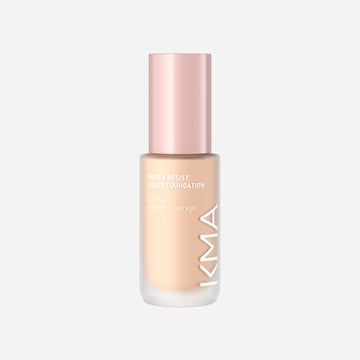
Choose a formula suited to hot and humid weather, such as KMA Water Resist Liquid Foundation SPF30, which offers water- and sweat-resistant properties and helps control excess oil.
Setting the Base
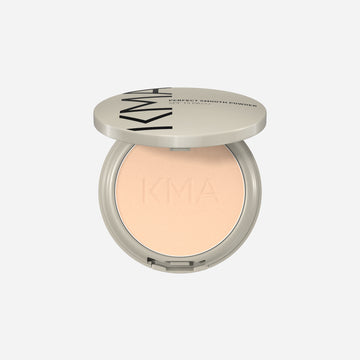
Choose a powder that suits your preferred coverage and finish. Use only an appropriate amount and focus on areas where setting is necessary.
Before publishing, replace any product or article links using shopifypreview.com with the live URLs on kmacosme.com, as the current page may still contain preview links.
Frequently Asked Questions
Q: Why does my makeup become patchy even when I use an expensive foundation?
A: The problem may not be caused by the quality of the foundation alone. It may also result from dehydrated skin, applying too much skincare, choosing a formula that does not suit your skin type, or using too much product.
Q: How can I fix patchy makeup around my nose?
A: Blot away excess oil around the nose first. Then use a clean puff or sponge to press and smooth the area before applying a small amount of foundation and powder. Avoid adding multiple thick layers.
Q: Why does foundation become patchy on oily skin?
A: Excess oil can cause foundation to move or separate, especially when too much skincare has been applied, the skin has not been set properly, or powder is added without blotting first.
Q: Should I blot my skin before applying more powder?
A: Yes. Always remove excess oil first. Applying powder directly over oily skin may cause it to clump and make the makeup look thicker.
Conclusion
Patchy makeup can result from several factors, including dehydrated skin, excessive skincare, an unsuitable foundation formula, heavy foundation application, or incorrect touch-up techniques.
The most effective ways to prevent it are to prepare the skin with the right amount of skincare, allow each layer to settle, apply foundation thinly, set only selected areas, and blot away excess oil before touching up.
By adjusting these steps, your base makeup can look smoother, more natural, and more even throughout the day.