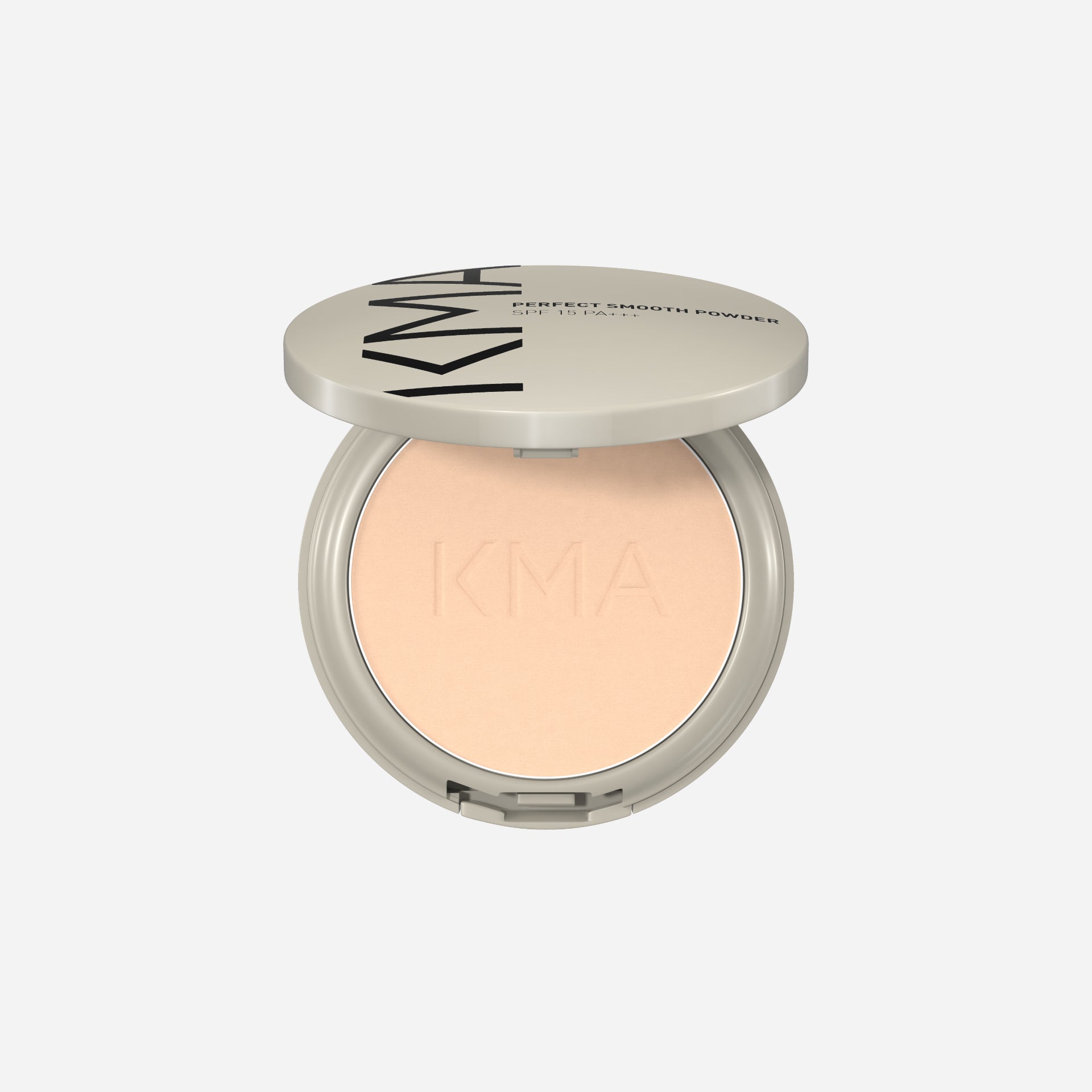
Your complexion may look smooth, flawless, and glowing in the morning, but by the afternoon, your face may become excessively shiny, the makeup may slide into fine lines, and white patches may appear around the nose and mouth.
This problem can be frustrating enough to make some people want to stop using cushion foundation altogether. However, patchiness and creasing are not always caused by the cushion itself.
This article explains four common causes and shares practical tips to help your complexion stay smooth and polished throughout the day.
4 Common Causes of Patchy, Creased Cushion Foundation
Check whether any of these habits are part of your current makeup routine.
1. Applying Skincare That Is Too Rich Before Makeup
Skincare is important, but applying too much rich cream or facial oil in the morning can leave the skin overly slippery.
When cushion foundation is applied over heavy skincare, the layers may not adhere well to each other. Once the skin is exposed to heat and begins producing more oil, the makeup may slide, separate, and become patchy.
How to Fix It
- Use lightweight skincare in an appropriate amount.
- Apply richer moisturiser only to dry areas.
- Allow skincare to absorb before applying sunscreen and makeup.
- Avoid layering more products than your skin needs.
2. Applying Cushion Foundation by Dragging the Puff
Many beginners are used to spreading foundation by dragging or wiping the applicator across the skin.
However, cushion foundation is generally designed to be pressed or tapped onto the skin. Dragging the puff may prevent the formula from adhering evenly and cause product to collect around pores, fine lines, and creases.
This can result in uneven coverage, caking, and cushion foundation settling into lines.
How to Fix It
Use a gentle tapping motion instead of swiping the puff across the face.
Start with a small amount, press it onto the skin in thin layers, and build coverage only where needed.
3. Not Allowing Sunscreen or Base Makeup to Set
On busy mornings, many people apply sunscreen and immediately layer cushion foundation on top.
When both formulas are still wet or slippery, they may mix together and reduce the foundation’s ability to adhere evenly to the skin.
How to Fix It
Allow sunscreen and base products to set before applying cushion foundation.
Rather than following an exact fixed time, wait until the skin no longer feels excessively wet or slippery. This often takes a few minutes, depending on the product and amount applied.
4. Choosing a Cushion Formula That Does Not Suit Your Skin Type
Using the wrong cushion formula can make patchiness and creasing more noticeable.
For example:
- Oily or combination skin may become excessively shiny when using a very dewy cushion.
- Very dry skin may look flaky or creased when using a strongly mattifying formula without adequate skin preparation.
Choosing a cushion that suits your skin type is therefore one of the most important steps.
A Soft-Matte, Oil-Control Option: KMA Make Me Matte Cushion
For oily or combination skin, or for those who regularly experience excess shine in hot and humid weather, a lightweight oil-control cushion may be more suitable.
KMA Make Me Matte Cushion is designed to provide a smooth, powdery matte finish while helping control excess oil.
Oil Control and Blurring in One Step
The formula features 3D Powder and Micro-Fit Technology, which help absorb excess oil and blur the appearance of pores and fine lines.
This helps the complexion look smoother and reduces the appearance of dullness during the day.
Powdery Matte Finish
The cushion provides a soft Powdery Matte Finish, creating the appearance of a complexion that has been lightly set with powder.
This can help simplify the makeup routine while reducing the need for multiple heavy layers.
Matte Without Looking Excessively Dry
The formula contains eight types of Hyaluronic Acid and skin-conditioning ingredients, including mushroom extract, to help maintain moisture.
This helps support a matte-looking surface while keeping the complexion from appearing excessively dry or tight.
The product is promoted as providing oil control for up to 12 hours. This claim should be confirmed against the latest approved product information before publication.
How to Apply Cushion Foundation Smoothly
Follow these steps for a more even and natural-looking finish:
- Pick up a small amount of cushion foundation with the puff.
- Tap the puff lightly against the inner lid to distribute the product evenly.
- Gently press and tap the product over the skin.
- Start from the centre of the face and work outward.
- Use less product around the nose, mouth, and areas with visible lines.
- Build additional coverage only over areas that need it.
- Avoid repeatedly layering thick amounts across the entire face.
Thin layers generally adhere more evenly and are less likely to crease or become patchy.
How to Fix Patchy Cushion Foundation During the Day
When your cushion begins to look uneven, avoid immediately applying more product over oil or perspiration.
Instead:
- Gently blot away excess oil or sweat with tissue or blotting paper.
- Use a clean puff or sponge to press and smooth the existing makeup.
- Apply a small amount of cushion only where the coverage has worn away.
- Lightly set oily areas with powder when necessary.
Avoid rubbing the skin, as friction may remove even more makeup.
Conclusion
Patchy or creased cushion foundation is not always caused by the product itself. It may also result from heavy skincare, incorrect application, applying makeup before sunscreen has set, or choosing a formula that does not suit your skin type.
For smoother-looking makeup:
- Use lightweight skincare in an appropriate amount.
- Allow skincare and sunscreen to set.
- Apply cushion foundation by tapping rather than dragging.
- Build coverage in thin layers.
- Choose a formula suited to your skin type.
These adjustments can help your cushion foundation look smoother, more balanced, and more natural throughout the day.
Frequently Asked Questions About Patchy Cushion Foundation
Q: Why does my cushion foundation look smooth in the morning but become oily and patchy in the afternoon?
A: Excess oil, heat, humidity, heavy skincare, and a cushion formula that does not suit your skin can cause the makeup to move or separate during the day. Applying thin layers and choosing an oil-control formula may help.
Q: What type of cushion is suitable for very oily skin?
A: Look for a lightweight oil-control cushion with a soft-matte or powdery matte finish. A formula that also offers blurring and buildable coverage may help the complexion stay smoother without requiring thick layers.
Q: What is the correct way to apply cushion foundation?
A: Use a gentle tapping or pressing motion. Avoid dragging the puff across the skin, as this may cause the product to collect around pores and fine lines. Begin with a small amount and build coverage selectively.
Q: What should I do when my skin is dry but I do not want my makeup to become oily?
A: Choose a cushion that offers a matte or semi-matte finish together with hydrating ingredients. Prepare dry areas with lightweight moisture and apply less powder to prevent the complexion from looking flaky or tight.
Q: Can applying cushion immediately after sunscreen make makeup slide?
A: It can. When sunscreen has not set and still feels wet or slippery, cushion foundation may mix with it and adhere unevenly. Wait until the sunscreen layer has settled before applying makeup.